

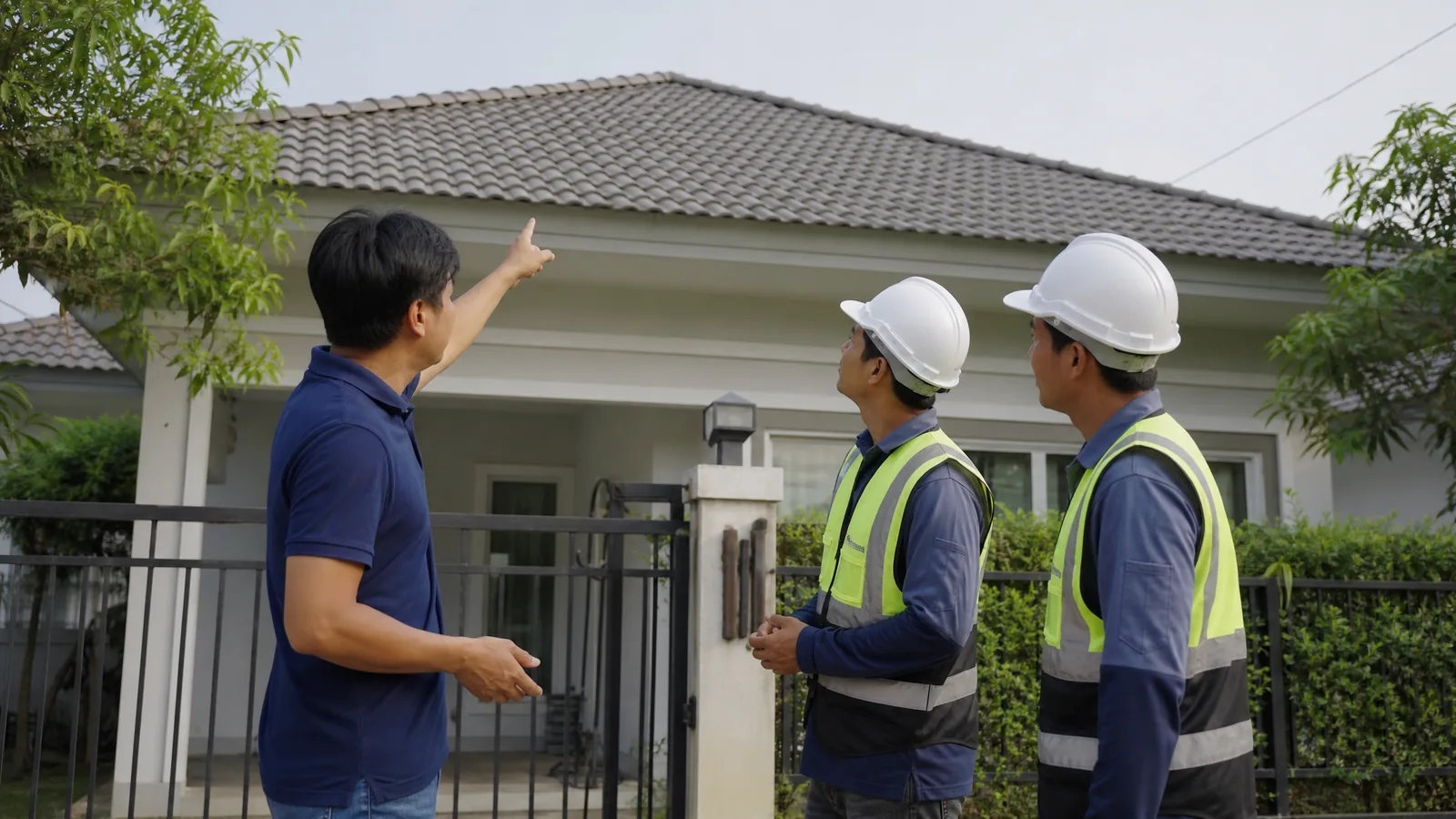
The tax deduction right under Royal Decree 805 does not apply in many cases that homeowners fail to notice — for example, when the date on the electronic receipt falls outside the period set by the program, 3 มี.ค. 2569 to 31 ธ.ค. 2571; when the grid connection has not yet been completed; when the purchase is made with a bank loan or installment payments to a financial institution, which may not qualify as income under Section 40 of the Revenue Code; or when a PPA contract is signed that counts as a monthly electricity charge. Every condition should be checked before buying, not after filing taxes and having the claim rejected.
| Condition | Effect on the Tax Deduction Right |
|---|---|
| Payment made outside the legally defined period (until 31 ธ.ค. 2571) | Not eligible |
| Grid connection with the electricity authority not yet completed | Not yet eligible for that year |
| Purchased with a bank loan or installment payments to a financial institution | Risk of not qualifying as income |
| Signed a Power Purchase Agreement (PPA) | Does not qualify, because it is not a system purchase |
Do Not Assume — Check the Tax Deduction Conditions Thoroughly First
Khun Ton, the owner of a medium-sized food factory, saw news about Royal Decree 805, which grants a tax deduction to people who install solar cells. He was confident that the system he was paying off in installments to the installer would qualify for this right, since he had installed solar just as the news described.
But when checked in detail, several points requiring caution turned up in his case: the installment payment method, the year the system's grid connection was actually completed, and the contract type, which needed to be verified as a genuine outright purchase. None of these details had been covered in the general news coverage.
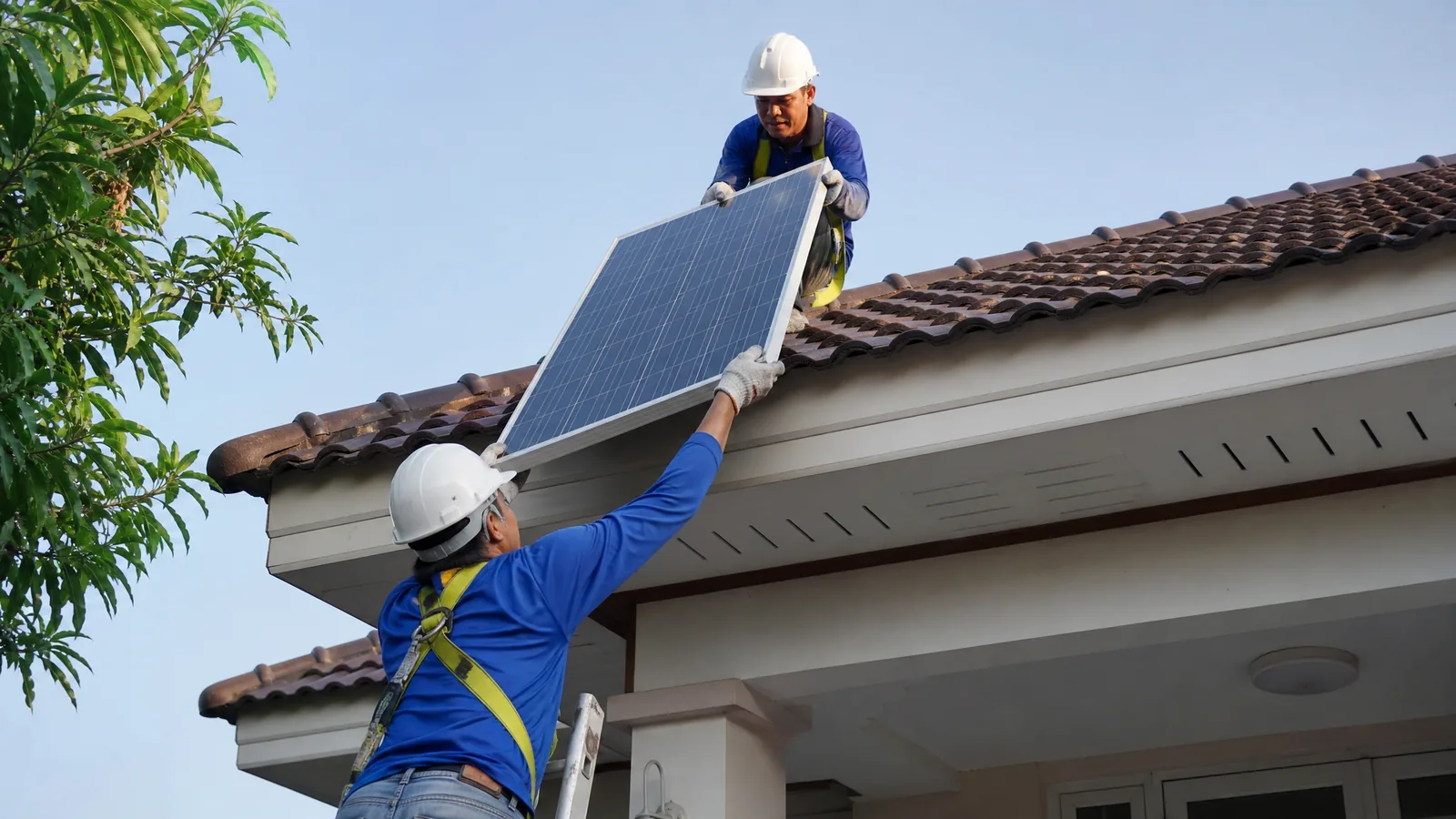
Installation Completed This Year — But Which Year Does the Tax Deduction Apply To?
The tax deduction right under Royal Decree 805 is tied to the year the grid connection with the electricity authority is completed under Section 3, not the year payment is made for the system.
Many people assume that whichever year they pay for the system is the year the tax deduction applies to. But the text of Section 3 states otherwise: the right is tied to the year the grid connection with the electricity authority is fully completed. If the connection process is delayed into the next calendar year, the right shifts to that year as well — not the year payment was already made. The tax deduction is only one variable in the overall value proposition — the remaining variables are covered in the guide on whether solar rooftop is worth it
What Time Frame Must the Payment Fall Within?
Section 3, paragraph two, requires that payment for the system be made only within the period from 3 มี.ค. 2569 to 31 ธ.ค. 2571. Payment made before or after this period does not qualify, regardless of which year the grid connection is completed.
This means that even if the grid connection is completed in the correct year, if the payment falls outside this time frame, the right still cannot be used. Both conditions must be true at the same time.
Paying in Installments Across Years — Which Year's Right Applies?
The text of Royal Decree 805 does not clearly state which year's right applies in cases where installment payments span across calendar years. This point is a matter of interpretation and should be confirmed directly with the Revenue Department or an accountant before deciding.
A common case is paying in installments that span calendar years — for example, starting installments late in one year and paying the final installment in the following year. The text does not specify which installment's year should be the basis. Asking the Revenue Department or an accountant before signing the contract will help plan the payment more accurately than guessing.
Installation Complete But Grid Connection Not Yet Done — Is the Right Usable Yet?
Not yet usable, because Section 3 ties the right to the year the grid connection is completed, not the year installation is physically finished or the year payment is completed in full.
Grid connection is a process that requires inspection and approval from the electricity authority, so the connection certification letter should be kept as evidence of the date to be used when filing taxes.
Buying Solar With a Bank Loan — Does It Still Count as Income Eligible for the Right?
Purchasing with a bank loan or installment payments to a financial institution carries the risk of not qualifying as income under Section 40 of the Revenue Code. This is an interpretation drawn from general principles of tax law, not a statement written directly in Royal Decree 805.
Royal Decree 805 does not use the words loan or installment payment directly in its text. Section 3 instead uses the phrase money paid to purchase the system, which connects to the general principle of income under tax law. This interpretation therefore comes from principles applied to other cases, not from wording stated within Royal Decree 805 itself. Before deciding on a payment method, it helps to know the actual system price first — see the Solar Rooftop 2026 price table
What Does Section 40 of the Revenue Code Say About Income?
Section 40 of the Revenue Code is a provision that classifies types of income for individuals, and is the principle the Revenue Department uses to consider whether the money used to claim a tax deduction must be genuinely the taxpayer's own income.
This concept is used as a general basis for considering many types of tax deduction rights, not only the solar case.
Why Does a Bank Loan Carry the Risk of Not Being Counted as Income Actually Paid?
A bank loan is money the borrower must repay in the future, so it carries a different tax perspective from income earned by oneself and actually paid out in that year. This may cause it to not meet the criteria required by Royal Decree 805.
This is a point that still awaits further clarification from the Revenue Department. Homeowners planning to use a loan should therefore ask in advance before deciding to buy.
Is Paying in Installments Directly to the Installer Different From a Bank Loan?
Paying in installments directly to the installer is also a point the text does not clearly specify. It should be checked with the Revenue Department or an accountant beforehand as to which type of installment contract will be counted as income actually paid according to the criteria.
Different contract forms may be interpreted differently. Seeking an opinion in advance will help reduce the risk of being unable to use the right later.
Signing a PPA and Paying Monthly Electricity Charges — Can This Right Be Used?
A Power Purchase Agreement (PPA) does not qualify for the tax deduction right under Section 3 of Royal Decree 805, because the money paid is a monthly electricity charge, not money paid to purchase the system.
In practice, PPA systems are an option many factories and households use to reduce the upfront investment burden, but this comes at the cost of not owning the system, and it does not meet the conditions for this tax deduction right.
What Is a PPA, and How Does It Differ From an Outright Purchase?
A PPA is a contract in which the homeowner does not purchase and own the solar system, but instead pays monthly for the electricity produced to the party that invested in and installed the system. This differs from an outright purchase, where ownership of the system belongs to the homeowner as soon as payment is completed in full.
Why Isn't the Monthly Electricity Charge Counted as Money Paid to Purchase the System?
The intent of Section 3 is to grant the right to money paid to purchase a solar system for one's own ownership. The monthly electricity charge in a PPA is therefore an energy service charge, not an equipment cost, and so it does not qualify.
Already Installed Solar Before — Can the Right Be Claimed Retroactively?
The right cannot be claimed retroactively, because Section 2 clearly sets the starting date of the right from 3 มี.ค. 2569. Money paid before that date does not qualify, regardless of the payment method.
This issue commonly arises for people who had already installed before hearing news of the tax deduction measure, and assumed they could file for the right retroactively. The text does not provide an avenue for doing so.
What Does the Starting Date of the Right Under Section 2 Mark?
Section 2 specifies that Royal Decree 805 takes effect from 3 มี.ค. 2569. Homeowners who installed and paid before that date therefore have no right to use this measure retroactively.
Deposit Paid Before the Law Takes Effect — Which Portion Qualifies?
If a deposit was paid before 3 มี.ค. 2569, that amount does not qualify. Installments paid within the period set by law can still be eligible, but details should be checked with an accountant for clarity on each installment.
Expanding the System Later — Can Additional Rights Be Claimed?
Additional rights cannot be claimed, because Section 3 allows this right to be used only once per system. Expanding or installing more later does not count as a new installation with a separate right.
Homeowners planning to expand production capacity in the future should know in advance that this right can be used only once per system. Expanding later is therefore an additional investment without a tax deduction right to support it.
Does Installing More or Expanding the System Later Count as a New Right?
Expanding production capacity or adding panels to an existing system does not count as a new installation under the intent of Section 3, so an additional tax deduction right cannot be claimed for the expanded portion.
Does Replacing Equipment or Repairing the Existing System Count as a New Installation?
Replacing damaged equipment or performing maintenance on the existing system is not considered a new system installation, and therefore does not qualify for claiming the tax deduction right again.
Which Type of Receipt Can Be Used to Claim the Right, and What Must It Include?
It must be an electronic tax invoice under Section 5(1) only, and the right must not have been previously claimed for BOI or EEC benefits on the same system, per Section 5(2).
Beyond these two conditions on documentation and non-duplication of rights, Section 5(3) also allows the Director-General of the Revenue Department to issue additional notifications setting further criteria. As of the writing of this article, no such notification has been found published to the public. The absence of a notification does not mean no additional conditions exist, so it is advisable to follow updates from the Revenue Department before deciding to buy.
Paper Tax Invoices Cannot Be Used — Must Be an e-Tax Invoice Only
Section 5(1) requires that the tax invoice used to claim the right must be in the electronic tax invoice system only. Regular paper tax invoices do not qualify, so the installer should be informed to issue documents in this format from the start.
Already Used BOI or EEC Benefits for This System — Cannot Claim This Right Again
Section 5(2) prohibits duplicating this tax deduction right with other tax benefits received for the same solar system, such as BOI or EEC benefits. If these have already been used, the right under Royal Decree 805 cannot be additionally claimed.
Does Our Case Meet the Conditions? How to Check Before Signing a Contract
Before signing a solar purchase contract, three questions should be answered: which payment method is used, which year the grid connection will be completed, and whether the contract is an outright purchase or a PPA. These three points are what determine eligibility for the tax deduction right under Royal Decree 805.
Going through these three checks before signing will help identify in advance whether one's own case is likely to qualify, rather than encountering problems when filing taxes and having the claim rejected. Before signing a contract, it is also advisable to use the 12 questions to ask before choosing an installer alongside these checks.
Three Questions That Must Be Answered Before Signing a Contract
The first question is whether payment is made in cash, by loan, or in installments. The second question is which year the grid connection is expected to be completed. The third question is whether the contract signed is an outright ownership purchase or a PPA.
Which Points Are Not Written in the Text and Must Be Asked of the Revenue Department First, Not Guessed?
The issue of which year's right applies when installments span across years, and whether installment payments made directly to the installer qualify as income, are points the text does not clearly specify. These should be asked of the Revenue Department or an accountant before deciding, rather than guessed.